When buying wire mesh, strength matters just as much as size and material. Choosing a mesh that’s too weak can lead to bending, breaking, or even failure of your fencing, cage, or construction project.
This wire mesh strength ratings guide will explain:
- What strength ratings mean
- How wire diameter, material, and weave affect strength
- How to choose the right strength for your project
What Are Wire Mesh Strength Ratings?
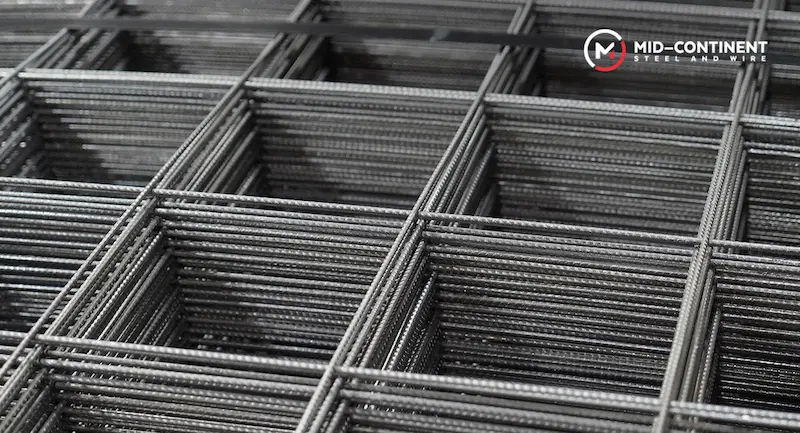
Wire mesh strength ratings tell you how much load, pressure, or force a mesh can handle.
They usually depend on three factors:
- Wire diameter (thickness) – Thicker wires = stronger mesh
- Material – Stainless steel, mild steel, or galvanized steel
- Mesh type & weave – Welded, woven, or expanded
Manufacturers sometimes provide tensile strength or maximum load ratings, especially for industrial applications.
Why Wire Mesh Strength Ratings Matter
Strength ratings help you:
- Ensure safety for animals, people, or equipment
- Avoid bending or sagging under pressure
- Select the right mesh for security fencing, construction, or heavy-duty cages
- Save money by not overbuying an unnecessarily strong mesh
Factors That Affect Wire Mesh Strength
1. Wire Diameter (Thickness)
The thicker the wire, the stronger the mesh.
| Wire Diameter | Typical Use | Strength Level |
| 0.5–1 mm | Light screening, small cages | Low |
| 1–2 mm | Garden fencing, partitions | Medium |
| 2–4 mm | Heavy fencing, security panels | High |
| 4–6 mm | Industrial, construction, heavy-duty | Very High |
2. Material
Different materials have different strength ratings:
- Stainless steel – Very strong, corrosion-resistant
- Galvanized steel – Strong, rust-protected, durable outdoors
- Mild steel – Strong indoors but rusts outdoors if not coated
- Aluminium – Lightweight, lower strength, bends easily
3. Mesh Type

- Welded wire mesh – Strongest for fencing, cages, and partitions
- Woven wire mesh – Flexible, ideal for filtration and fine screening
- Expanded metal mesh – Strong and durable for industrial use
4. Mesh Opening (Aperture)
Smaller openings usually increase strength because the wires are closer together and better support each other. Larger openings reduce strength for heavy loads.
Wire Mesh Strength Rating Chart
Here’s a simple reference table for common welded wire mesh:
| Wire Diameter | Opening Size | Material | Typical Strength Use |
| 1.5 mm | 25mm x 25mm | Galvanized Steel | Light garden fencing |
| 2 mm | 50mm x 50mm | Mild Steel | General fencing, animal cages |
| 3 mm | 50mm x 50mm | Stainless Steel | Security fencing, industrial |
| 4 mm | 75mm x 75mm | Galvanized Steel | Heavy-duty barriers |
| 5 mm | 100mm x 100mm | Stainless Steel | Industrial, construction |
Note: Strength ratings vary by manufacturer. Always confirm tensile strength for critical applications.
How to Choose the Right Wire Mesh Strength
- Determine the purpose
- Light use → thin wires, small panels
- Heavy-duty → thick wires, strong materials
- Light use → thin wires, small panels
- Consider environmental factors
- Outdoors → stainless steel or galvanized for rust protection
- Indoors → mild steel works fine
- Outdoors → stainless steel or galvanized for rust protection
- Check the mesh type
- Welded mesh for strength
- Woven or decorative mesh for flexibility
- Welded mesh for strength
- Check manufacturer’s tensile or load ratings
- Industrial projects may require documented load-bearing capacity
You may also like to read this:
Bespoke Wire Mesh Design – Custom Mesh Panels & Rolls
Wire Mesh Specification Guide – Size, Types & Materials
How to Choose Wire Mesh – Complete Buying Guide
Wire Mesh Size Chart – Guide to Openings & Wire Thickness
Wire Mesh Material Guide – Types, Uses & Advantages
Quick Tips
- For security fencing, choose 3–5 mm welded stainless steel or galvanized mesh
- For animal cages, 1.5–2 mm mesh is usually enough
- For construction reinforcement, always use thick welded mesh panels (4–6 mm)
- Smaller mesh openings increase the overall strength of the panel
Final Thoughts
Understanding wire mesh strength ratings ensures you get a mesh that can handle the load, weather, and wear for your project.
Whether it’s fencing, cages, industrial partitions, or construction, always consider:
wire diameter + material + mesh type + opening size
This simple formula will help you pick the right strength mesh for any purpose.
FAQs – Wire Mesh Strength Ratings
1. What are wire mesh strength ratings?
Wire mesh strength ratings indicate how much load or pressure a mesh can handle, based on wire thickness, material, and mesh type.
2. Which factors affect wire mesh strength?
The main factors are:
Wire diameter (thickness) – thicker wire = stronger mesh
Material – stainless steel, mild steel, galvanized steel, aluminium
Mesh type – welded, woven, or expanded
Opening size – smaller openings increase overall strength
3. What wire diameter is best for heavy-duty fencing?
For heavy-duty fencing or industrial applications, choose 3–5 mm welded wire mesh made of stainless steel or galvanized steel.
4. What material provides the strongest wire mesh?
Stainless steel is the strongest, corrosion-resistant option.
Galvanized steel is strong and durable for outdoor use.
Mild steel works indoors but may rust outdoors if not coated.
5. How do mesh openings affect strength?
Smaller openings provide more support between wires, making the mesh stronger. Larger openings reduce strength under heavy loads.