

Choosing wire mesh looks easy at first… until you actually start shopping.
You’ll see different materials, different hole sizes, different wire thicknesses, and different mesh types. And honestly, if you pick the wrong one, you’ll face problems like rusting, bending, poor fitting, or even safety issues.
So if you’re confused, don’t worry — this guide will make it simple.
In this article, I’ll explain how to choose wire mesh step-by-step, in a user-friendly way, so you can confidently pick the right mesh for fencing, construction, industrial use, filtration, or animal enclosures.
Step 1: First Decide the Purpose (This is Most Important)

Before you look at sizes or materials, ask yourself one clear question:
What do I need this wire mesh for?
Because wire mesh used for filtration is totally different from mesh used for fencing or security.
Here are common purposes:
- Fencing and boundary protection
- Animal cages and poultry enclosures
- Construction and concrete reinforcement
- Industrial safety guards and partitions
- Filtration and screening
- Decorative panels and architectural designs
Once your purpose is clear, choosing the right wire mesh becomes much easier.
Step 2: Choose the Right Type of Wire Mesh
Now that you know your purpose, you need to select the mesh type.
1. Welded Wire Mesh (Strong and Stable)
Welded mesh is made by welding wires at each intersection.
Best for:
- Fencing
- Security panels
- Animal cages
- Construction reinforcement
Why people choose it:
It’s strong, doesn’t lose shape easily, and lasts longer for heavy-duty work.
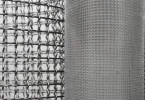
2. Woven Wire Mesh (Best for Screening & Filtration)
Woven mesh is made by weaving wires like fabric.
Best for:
- Filtration
- Screening
- Sieving
- Industrial separation
Why people choose it:
It has accurate openings and is great for fine work.
3. Expanded Metal Mesh (Very Durable)
Expanded mesh is made by cutting and stretching a metal sheet.
Best for:
- Walkways
- Machine guards
- Anti-slip flooring
- Heavy-duty industrial use
Why people choose it:
It is extremely strong and doesn’t have welded joints.
Step 3: Choose the Best Material for Your Environment
Material matters a lot because it decides how long the mesh will last, especially outdoors.
Stainless Steel Wire Mesh
Best for:
- Outdoor and humid areas
- Marine environments
- Food and pharmaceutical industries
- Long-term durability
Why it’s good:
Stainless steel doesn’t rust easily and stays strong for years.
Galvanized Wire Mesh
Best for:
- Outdoor fencing
- Agriculture
- Construction sites
Why it’s good:
It has a zinc coating that protects against rust.
Tip:
Hot-dip galvanized lasts longer than electro-galvanized.
Mild Steel Wire Mesh
Best for:
- Indoor industrial use
- Fabrication work
- Temporary projects
Important note:
It can rust quickly if used outdoors without coating.
PVC Coated Wire Mesh
Best for:
- Garden fencing
- Residential fencing
- Decorative fencing
Why it’s good:
It gives extra rust protection and looks cleaner.
Step 4: Select the Correct Wire Thickness (Diameter)
Wire thickness decides the strength of the mesh.
A simple rule:
Thicker wire = stronger mesh
Thinner wire = flexible and lighter mesh
Common wire thickness choices:
- 0.5mm to 1mm → light screening, filtration, small indoor use
- 1mm to 2mm → general fencing, cages, partitions
- 2mm to 4mm → security fencing, industrial use
- 4mm to 6mm → heavy-duty fencing and safety barriers
Step 5: Choose the Right Opening Size (Aperture)

Opening size means the gap between wires.
This affects:
- Security level
- Animal safety
- Airflow and ventilation
- Visibility
- Filtration performance
Easy examples:
- Small opening (6mm–12mm) → cages, rabbits, poultry, security
- Medium opening (25mm) → fencing and general use
- Large opening (50mm+) → construction, large fencing, partitions
Step 6: Pick Panel or Roll Based on Your Work
This is an important part of how to choose wire mesh.
Wire Mesh Rolls
Best for:
- Fencing long areas
- Farm and garden use
- Quick installation
Rolls are easy to transport and cover more area.
Wire Mesh Panels
Best for:
- Security fencing
- Industrial partitions
- Gates and barriers
- Clean and strong installations
Panels look more professional and are stronger than rolls.
Step 7: Check Coating and Finish (Especially for Outdoor Use)
If your mesh is going outdoors, coating matters a lot.
Best coatings:
- Hot-dip galvanized (best for rust protection)
- PVC coated (extra protection + color)
- Powder coating (best for decorative and architectural mesh)
- Polished stainless steel (premium look)
Step 8: Think About Safety (Edges & Sharp Points)
This part is often ignored, but it’s important.
If wire mesh has sharp edges, it can cause:
- Hand injuries
- Animal cuts
- Poor installation
So if you’re using mesh for cages or public areas, ask for:
- Trimmed edges
- Folded edges
- Framed mesh panels
You may also like to read this:
Made to Order Wire Mesh – Custom Sizes, Types & Uses
Wire Mesh Fabrication Services – Custom Mesh Solutions
Custom Mesh Panels – Types, Uses & Applications
Bespoke Wire Mesh Design – Custom Mesh Panels & Rolls
Wire Mesh Specification Guide – Size, Types & Materials
Step 9: Match the Mesh to Your Budget (Smartly)
Many people choose the cheapest mesh and regret it later.
Here’s a better way to think:
- If it’s for temporary use, mild steel can work
- If it’s for outdoor fencing, galvanized is better
- If it’s for long-term and premium work, stainless steel is best
So instead of buying cheap and replacing again, choose mesh that lasts.
Step 10: Ask These Questions Before You Buy
Before you place an order, ask yourself:
Is this mesh for indoor or outdoor use?
Does it need to handle heavy weight or pressure?
Do I need small openings for animals or security?
Do I need rolls or panels?
Do I need rust resistance?
Do I want a clean decorative finish?
This will help you choose correctly without confusion.
Quick Guide: Best Wire Mesh for Common Uses
Here are quick recommendations:
For Fencing
- Galvanized welded mesh
- PVC coated mesh
- Medium to thick wire
For Rabbits and Poultry
- Welded mesh
- Small openings (safe for animals)
- Smooth edges
For Security Fencing
- Heavy-duty welded mesh
- Thick wire (3mm–6mm)
- Strong weld points
For Filtration
- Stainless steel woven mesh
- Fine mesh count
- Accurate opening size
For Industrial Use
- Welded mesh panels
- Expanded metal mesh
- Thick wire and strong finish
For Decorative Use
- Stainless steel or powder-coated mesh
- Clean design
- Framed panels
Final Thoughts
Now you know exactly how to choose wire mesh without confusion.
The best wire mesh is not just about price — it’s about choosing the right type, right thickness, right opening size, and right material for your environment.
If you want wire mesh that lasts longer and performs better, always focus on:
purpose + material + thickness + opening size + finish.
FAQs – How to Choose Wire Mesh
1. How do I choose wire mesh for my project?
To choose wire mesh, first decide the purpose (fencing, filtration, cages, construction), then select the correct type, material, opening size, and wire thickness.
2. What wire mesh is best for fencing?
For fencing, the best options are:
Galvanized welded wire mesh
PVC coated wire mesh
Heavy-duty welded mesh panels for security
3. Which wire mesh is best for outdoor use?
For outdoor use, choose:
Hot-dip galvanized wire mesh
Stainless steel wire mesh
PVC coated wire mesh (for extra protection)
These options resist rust and weather damage.
4. What is the difference between welded and woven wire mesh?
Welded wire mesh is stronger and best for fencing, cages, and reinforcement.
Woven wire mesh is flexible and best for filtration and screening.
5. How do I choose the right mesh opening size?
Choose based on your need:
Small openings for animals, security, and fine screening
Medium openings for general fencing
Large openings for ventilation and lightweight barriers