


If you’re searching for a material that is strong, long-lasting, and doesn’t easily rust, then stainless steel wire mesh is one of the best options you can choose.
You’ll see it used in industries, homes, construction, filtration systems, food processing, and even in decorative projects. The reason is simple: it’s durable, reliable, and performs well even in harsh environments.
In this article, I’ll explain everything about stainless steel wire mesh in a simple and user-friendly way—like I’m guiding you step by step.
What is Stainless Steel Wire Mesh?

Stainless steel wire mesh is a metal mesh made by weaving or welding stainless steel wires into a grid pattern. The openings can be square, rectangular, or even customized depending on the requirement.
The mesh is made from stainless steel grades like 304, 316, 310, and 430, but the most commonly used are 304 and 316.
Because stainless steel is naturally resistant to corrosion, this mesh is perfect for places where moisture, chemicals, or outdoor weather can damage normal metal mesh.
Why Stainless Steel Wire Mesh is So Popular
Let’s be honest—most people choose stainless steel wire mesh for one main reason: it lasts a long time.
But there’s more to it than just long life.
1. Strong and Durable
Stainless steel mesh has excellent strength. It can handle pressure, heavy use, and tough conditions without breaking easily.
2. Rust and Corrosion Resistant
Unlike iron mesh, stainless steel does not rust quickly. That’s why it’s ideal for outdoor use, wet areas, and industrial environments.
3. Heat Resistant
Stainless steel wire mesh can handle high temperatures, which makes it useful in factories and heat-based processes.
4. Hygienic and Easy to Clean
This is one of the biggest reasons it’s used in the food and medical industries. It stays clean, doesn’t absorb dirt, and is easy to wash.
5. Available in Many Sizes
Whether you need fine filtration mesh or heavy-duty industrial mesh, stainless steel wire mesh comes in a wide range of sizes and thicknesses.
Types of Stainless Steel Wire Mesh
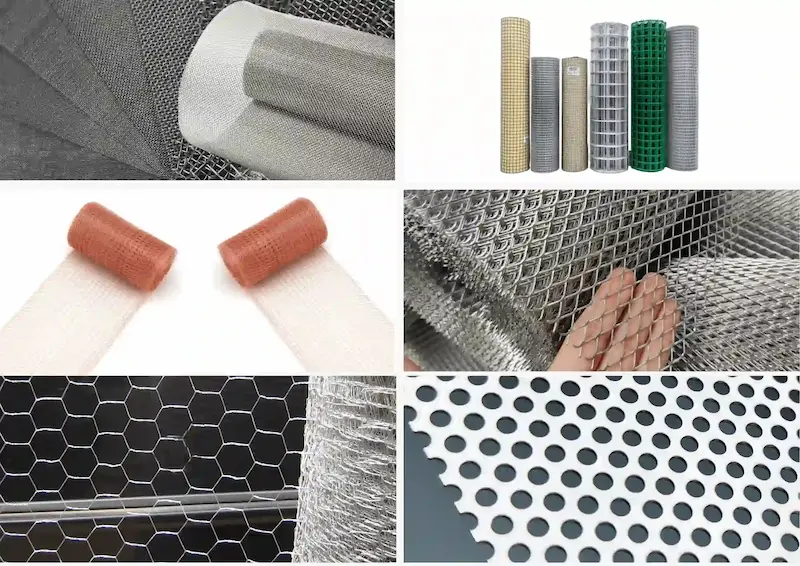
Different projects require different types of mesh. Here are the main types you’ll find in the market:
1. Woven Stainless Steel Wire Mesh
This is made by weaving wires together like fabric.
It is widely used for:
- Filtration
- Screening
- Sieving
- Laboratory work
2. Welded Stainless Steel Wire Mesh
This type is made by welding wires at every intersection.
It is best for:
- Fencing
- Security panels
- Industrial partitions
- Heavy-duty use
3. Crimped Stainless Steel Wire Mesh
In this mesh, the wires are crimped before weaving. This gives it extra strength and stability.
It is mostly used in:
- Mining
- Quarrying
- Heavy screening applications
4. Fine Stainless Steel Mesh (Micron Mesh)
This is a very fine mesh with tiny openings.
It is mainly used for:
- Water filtration
- Oil filtration
- Air filtration
- Chemical filtering
You may also like to read this:
Welded Wire Mesh Products – Types, Uses & Benefits
Galvanized Wire Mesh Sheets – Types, Uses & Benefits
Industrial Wire Mesh Products – Types, Uses & Benefits
Wire Mesh Rolls for Fencing – Types, Uses & Benefits
Stainless Steel Wire Mesh Grades (304 vs 316)
When buying stainless steel wire mesh, you’ll often hear about 304 and 316 stainless steel. Here’s a simple difference:
Stainless Steel 304 Wire Mesh
304 is the most common grade and is suitable for general use.
Best for:
- Indoor and outdoor fencing
- General filtration
- Home and industrial use
Stainless Steel 316 Wire Mesh
316 is stronger against corrosion, especially in salty and chemical environments.
Best for:
- Marine areas (near sea)
- Chemical industries
- Saltwater filtration
- Harsh weather environments
If you want the best corrosion resistance, 316 is usually the better option.
Common Uses of Stainless Steel Wire Mesh
Now let’s talk about where stainless steel wire mesh is actually used. You’ll be surprised because it’s used in more places than most people think.
1. Filtration and Separation
One of the biggest uses of stainless steel wire mesh is filtration.
It is used in:
- Water filters
- Oil filters
- Gas filtration
- Industrial filter systems
Because stainless steel doesn’t rust, it’s perfect for long-term filtering.
2. Food Processing Industry
Stainless steel is safe for food-related environments.
That’s why stainless steel wire mesh is used for:
- Food drying racks
- Kitchen strainers
- Bakery equipment
- Food production lines
It stays hygienic and doesn’t contaminate food.
3. Security and Fencing
Welded stainless steel wire mesh is used for:
- High-security fencing
- Window protection mesh
- Gate panels
- Industrial safety fencing
It provides both strength and a clean professional look.
4. Industrial Machines and Safety Guards
Factories and workshops use stainless steel mesh for:
- Machine covers
- Safety guards
- Ventilation covers
- Storage cages
It helps keep workers safe while allowing airflow.
5. Construction and Architecture
In construction, stainless steel wire mesh is used for:
- Decorative panels
- Building facades
- Ceiling designs
- Partitions
It gives a modern and premium appearance.
6. Agriculture and Farming
Farmers use stainless steel wire mesh for:
- Animal cages
- Poultry fencing
- Crop protection
- Farm partitions
It works well in outdoor environments and lasts much longer than normal steel.
Stainless Steel Wire Mesh Sizes and Specifications
Stainless steel wire mesh comes in many sizes. The main specifications you should know are:
1. Mesh Count
Mesh count means how many openings exist per inch.
Example:
- 10 mesh = larger openings
- 100 mesh = very small openings
2. Wire Diameter
This is the thickness of the wire. Thicker wire means stronger mesh.
3. Opening Size
Opening size means the space between wires.
Smaller openings are best for filtration. Larger openings are best for fencing and protection.
4. Roll or Sheet Form
Stainless steel mesh is usually available in:
- Rolls (common for filtration and fencing)
- Sheets (common for industrial use)
How to Choose the Right Stainless Steel Wire Mesh
Choosing the right mesh depends on your purpose. Here’s a simple guide:
For Filtration
Choose:
- Fine woven mesh
- Small openings
- 304 or 316 grade
For Outdoor Use
Choose:
- 316 grade (best for corrosion)
- Strong wire thickness
For Fencing
Choose:
- Welded mesh
- Medium to thick wire
- Larger openings
For Food Industry
Choose:
- 304 grade
- Hygienic woven mesh
- Easy-to-clean design
Benefits of Stainless Steel Wire Mesh
Here are the biggest advantages of using stainless steel wire mesh:
- Highly resistant to rust and corrosion
- Strong and durable
- Works in indoor and outdoor environments
- Handles high temperatures
- Hygienic and safe for food use
- Available in many sizes and grades
- Long-lasting and cost-effective in the long run
Stainless Steel Wire Mesh Maintenance Tips
Stainless steel mesh does not require heavy maintenance, but you can increase its life with simple care:
- Clean it regularly if used in food or filtration
- Remove chemical residue if exposed to chemicals
- Avoid harsh cleaners that damage the surface
- Store it in a dry area when not in use
Final Words
If you want a strong, rust-resistant, and reliable mesh that performs well for years, stainless steel wire mesh is one of the best choices.
It is widely used for filtration, food processing, fencing, industrial safety, and many other purposes. Plus, it looks professional and stays strong even in harsh conditions.
FAQs – Stainless Steel Wire Mesh
1. What is stainless steel wire mesh?
Stainless steel wire mesh is a strong metal mesh made by weaving or welding stainless steel wires into a grid pattern. It is known for being rust-resistant and durable.
2. What is stainless steel wire mesh used for?
It is commonly used for filtration, industrial screening, ventilation, safety guards, fencing, and food processing applications.
3. Is stainless steel wire mesh rust-proof?
Stainless steel mesh is highly rust-resistant, but in extreme conditions (saltwater or chemicals), proper grade selection like 316 stainless steel is important.
4. Is stainless steel wire mesh safe for food use?
Yes. Stainless steel wire mesh is widely used in food processing and kitchen filtration because it is hygienic, strong, and corrosion-resistant.