

If you’ve ever wondered how industries filter liquids, separate particles, or clean air in machines, the answer is often simple: wire mesh for filtration.
Wire mesh is one of the most reliable and widely used filtration materials in many industries because it is strong, reusable, and available in different sizes. Whether it’s water filtration, oil filtration, chemical filtering, or food processing — wire mesh plays a huge role in keeping systems clean and running smoothly.
In this guide, I’ll explain everything you need to know about wire mesh for filtration, including types, applications, benefits, and how to choose the right mesh.
What is Wire Mesh for Filtration?

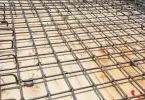
Wire mesh for filtration is a metal screen made by weaving or welding thin wires into a grid. This grid has openings (also called apertures) that allow liquid, air, or gas to pass through while stopping unwanted particles.
The mesh can be made from different metals such as:
- Stainless steel
- Galvanized steel
- Brass
- Copper
- Mild steel
Different mesh sizes are used depending on what you want to filter.
How Wire Mesh Filtration Works
The working process is simple:
- Liquid or air passes through the wire mesh
- The mesh blocks dust, dirt, sand, or particles
- Only clean fluid or air flows through
The smaller the mesh opening, the finer the filtration.
That’s why wire mesh is used in both coarse filtration (big particles) and fine filtration (small particles).
Types of Wire Mesh for Filtration
Different filtration needs require different wire mesh types. Here are the most common ones:
1. Woven Wire Mesh
This is the most popular type of wire mesh for filtration.
- Made by weaving wires like fabric
- Offers accurate filtration
- Used for fine filtering and sieving
Best for: water filters, industrial filters, and particle separation.
2. Welded Wire Mesh
Wires are welded at intersections.
- Strong and rigid
- Better for heavy-duty filtration
- Less flexible than woven mesh
Best for: industrial filtration systems and heavy machines.
3. Stainless Steel Wire Mesh
This is one of the best materials for filtration.
- Rust-resistant
- Strong and long-lasting
- Handles high temperatures and chemicals
Best for: chemical plants, food industries, oil and gas filtration.
4. Brass or Copper Wire Mesh
These are used for special filtration needs.
- Great for fine filtering
- Used in electrical and decorative applications too
- More expensive than steel
Best for: special industrial filtration and EMI shielding.
5. Multi-Layer Wire Mesh
Some industries use layered mesh for advanced filtration.
- High precision
- Filters extremely small particles
- Used in high-end industrial systems
Best for: pharmaceutical and advanced chemical filtration.
You may also like it:
Wire Mesh Rolls for Fencing – Types, Uses & Benefits
Custom Mesh Panels – Types, Uses & Applications
Galvanized Wire Mesh Sheets – Types, Uses & Benefits
Custom Wire Mesh Solutions – Types, Uses & Benefits
Common Uses of Wire Mesh for Filtration
Let’s talk about where wire mesh for filtration is used in real life:
1. Water Filtration
Wire mesh is used in:
- Water purification plants
- Bore water filtration
- Home water filter systems
- Irrigation filtration systems
It helps remove sand, dirt, and solid particles.
2. Oil and Fuel Filtration
Many industries filter oil and fuel using wire mesh.
- Removes metal particles and dirt
- Protects engines and machines
- Improves fuel efficiency
Used in: automobiles, generators, industrial engines.
3. Chemical Filtration
Chemical plants require strong filtration.
- Stainless steel mesh is ideal
- Resists chemicals and corrosion
- Works under pressure and heat
Used in: chemical processing and manufacturing.
4. Food and Beverage Industry
Food-grade wire mesh is used to filter:
- Milk
- Juice
- Tea and coffee
- Syrups and sauces
Stainless steel mesh is preferred because it is hygienic and safe.
5. Air and Gas Filtration
Wire mesh is also used in:
- Air ventilation systems
- Dust filters
- Gas filtration
- Industrial exhaust systems
It removes dust and small particles from air flow.
6. Mining and Industrial Screening
Woven mesh screens are used to:
- Separate minerals
- Filter sand and stones
- Grade materials by size
This improves processing efficiency.
Benefits of Wire Mesh for Filtration
Here’s why industries love using wire mesh:
1. Strong and Durable
Wire mesh lasts longer compared to paper or fabric filters.
2. Reusable
Many wire mesh filters can be cleaned and reused, saving cost.
3. High Temperature Resistance
Especially stainless steel mesh can handle high heat.
4. Corrosion Resistance
Galvanized and stainless steel mesh resist rust in wet conditions.
5. Accurate Filtration
Different mesh sizes provide precise filtering results.
6. Cost-Effective
Although it may cost more initially, it saves money long-term due to durability.
How to Choose the Right Wire Mesh for Filtration
If you want the best results, choose wisely:
1. Mesh Size
- Small mesh = fine filtration
- Large mesh = coarse filtration
2. Wire Diameter
Thicker wires provide strength but may reduce filtration precision.
3. Material Type
- Stainless steel for chemicals and high moisture
- Galvanized for outdoor and general use
- Brass/copper for specialized applications
4. Filtration Purpose
Always choose mesh based on what you are filtering: water, oil, air, or chemicals
Wire Mesh for Filtration vs Other Filter Materials
Compared to paper and fabric filters, wire mesh for filtration is:
✅ Stronger
✅ Longer-lasting
✅ Washable and reusable
✅ Better for high pressure and heat
This makes it a premium choice for industrial use.
Conclusion
Wire mesh for filtration is one of the most reliable and widely used filtration materials across industries. From water and oil filtration to chemical processing and air filtering, wire mesh offers strength, durability, and accurate filtration.
If you choose the right mesh size, wire thickness, and material, you can improve filtration efficiency and reduce long-term costs.