

If you’ve ever searched for wire mesh, you probably noticed something quickly: there are too many options.
Different materials, different opening sizes, different wire thicknesses, and different mesh types — and if you choose the wrong one, it can cost you time, money, and a lot of frustration.
That’s why this wire mesh specification guide is here.
In this guide, I’ll explain everything you need to know about wire mesh specifications in a simple way, so you can confidently choose the right mesh for your project — whether it’s fencing, construction, filtration, industrial use, or decorative panels.
What Is a Wire Mesh Specification?
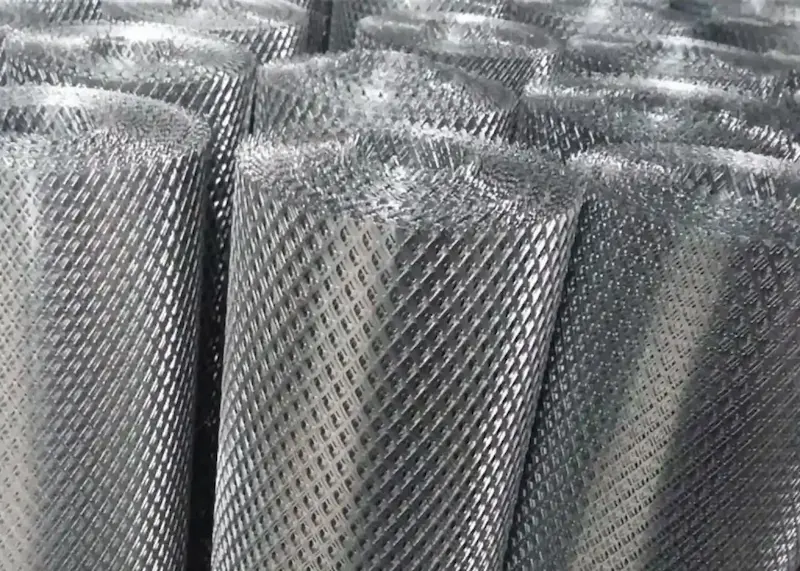
A wire mesh specification is basically a full description of the mesh product, including details like:
- Material type
- Wire diameter (thickness)
- Mesh opening size
- Mesh count (for woven mesh)
- Panel size or roll size
- Weave style or welding method
- Surface finish and coating
- Strength requirements and tolerances
These details help manufacturers and buyers understand exactly what mesh is needed.
Why a Wire Mesh Specification Guide Matters
Wire mesh is used in many industries, and each use needs different performance.
For example:
- A rabbit cage mesh needs small openings and safe edges
- A security fence needs thick wire and strong welds
- A filter mesh needs accurate openings and corrosion resistance
- A decorative mesh needs a clean finish and perfect alignment
So yes — specifications matter a lot.
Using a proper wire mesh specification guide helps you:
Avoid ordering the wrong mesh
Reduce material waste
Save installation time
Improve safety and performance
Get better durability and long-term results
Step-by-Step Wire Mesh Specification Guide

Let’s go through the most important parts of wire mesh specifications, one by one.
1. Mesh Type (Welded, Woven, Expanded)
The first thing you must specify is the mesh type.
Welded Wire Mesh
Wires are welded at each intersection.
Best for:
- Fencing
- Security panels
- Concrete reinforcement
- Animal enclosures
Why it’s popular:
- Strong and stable
- Doesn’t shift shape easily
Woven Wire Mesh
Wires are woven like fabric.
Best for:
- Filtration
- Screening
- Sieving
- Mining and industrial separation
Why it’s popular:
- Accurate openings
- Flexible and smooth
Expanded Metal Mesh
Made by cutting and stretching a metal sheet.
Best for:
- Walkways
- Anti-slip flooring
- Machine guards
- Architectural facades
Why it’s popular:
- No welded joints
- Very strong and durable
2. Material Specification (The Most Important Part)
Material affects rust resistance, strength, and lifespan.
Stainless Steel Wire Mesh
Best for:
- Outdoor use
- Food and pharmaceutical industries
- Marine environments
- Long-term corrosion resistance
Common grades:
- 304 stainless steel
- 316 stainless steel (best for marine)
Galvanized Wire Mesh
Best for:
- Outdoor fencing
- Agriculture
- Construction sites
Types:
- Electro-galvanized (lighter coating)
- Hot-dip galvanized (heavier and stronger protection)
Mild Steel Wire Mesh
Best for:
- Indoor use
- Fabrication and industrial projects
Note:
It can rust if not coated.
Aluminium Wire Mesh
Best for:
- Lightweight projects
- Decorative panels
- Ventilation screens
3. Wire Diameter (Wire Thickness)
Wire thickness is usually measured in:
- Millimeters (mm)
- Gauge (SWG or AWG)
The thicker the wire, the stronger the mesh.
Examples:
- 0.5mm – light filtration and small screens
- 1.0mm – general use and light fencing
- 2.0mm – strong fencing and partitions
- 3.0mm to 6.0mm – heavy-duty industrial mesh
In this wire mesh specification guide, here’s a simple tip:
If your mesh needs to hold weight or resist bending, always choose thicker wire.
4. Mesh Opening Size (Aperture)
Mesh opening size is the space between the wires.
It can be:
- Square opening
- Rectangular opening
- Diamond opening
- Custom patterns
Opening size affects:
- Security level
- Animal safety
- Visibility
- Airflow
- Filtration performance
Examples:
- 6mm x 6mm = very small opening
- 12mm x 12mm = common for cages
- 25mm x 25mm = fencing
- 50mm x 50mm = general construction fencing
5. Mesh Count (For Woven Wire Mesh)
Mesh count means:
How many openings per inch.
Example:
- 10 mesh = 10 openings per inch
- 50 mesh = 50 openings per inch
- 100 mesh = very fine filtration
Higher mesh count = smaller openings.
This is mainly used in woven mesh specifications, not welded mesh.
6. Panel Size or Roll Size
Another key part of the wire mesh specification guide is size.
Common Panel Sizes
- 4ft x 8ft
- 5ft x 10ft
- Custom cut panels
Common Roll Sizes
- 1m x 30m
- 1.2m x 30m
- 1.5m x 30m
- Custom roll lengths
Always specify:
- Width
- Length
- Quantity
7. Weld Strength (For Welded Mesh)
If you’re buying welded wire mesh, weld quality matters.
A proper specification should mention:
- Welded at every intersection
- Spot-welded or fully welded
- Weld strength requirement
- Tolerance level
This is especially important for:
- Security fencing
- Industrial partitions
- Heavy-duty enclosures
8. Finish & Coating Options
Coating decides how well the mesh survives outdoor conditions.
Common finishes include:
Hot-Dip Galvanized
- Strong rust protection
- Best for outdoor fencing
Electro-Galvanized
- Light coating
- Good for indoor and short-term use
PVC Coated Wire Mesh
- Extra protection + color
- Great for garden fencing
Powder Coated Panels
- Premium look
- Common in architectural mesh
Polished Stainless Steel
- Clean, shiny finish
- Great for decorative and food-grade use
9. Edge Treatment (Safety & Installation)
Edges matter more than people think.
A good wire mesh specification guide always includes edge details like:
- Cut edge (raw)
- Trimmed edge
- Folded edge
- Framed panels
- Smooth finish edges
This is important for:
- Animal cages
- Safety barriers
- Public areas
- Hand-contact applications
10. Application Requirements (What the Mesh Must Do)
This is the final and most practical part of the wire mesh specification guide.
Always specify the use, such as:
- For fencing
- For animal enclosure
- For filtration
- For machine guard
- For concrete reinforcement
- For architectural decoration
Because once the supplier knows the application, they can recommend the best specification.
You may also like to read this:
Custom Welded Wire Mesh – Types, Uses & Benefits
Made to Order Wire Mesh – Custom Sizes, Types & Uses
Wire Mesh Fabrication Services – Custom Mesh Solutions
Custom Mesh Panels – Types, Uses & Applications
Bespoke Wire Mesh Design – Custom Mesh Panels & Rolls
Common Wire Mesh Specification Examples
Here are a few simple examples so you understand how specs are written.
Example 1: Welded Mesh for Fencing
- Material: Hot-dip galvanized steel
- Wire diameter: 2.5mm
- Opening: 50mm x 50mm
- Size: 1.5m x 30m roll
Example 2: Stainless Steel Mesh for Filtration
- Material: SS 316
- Mesh count: 80 mesh
- Wire diameter: 0.12mm
- Width: 1m roll
Example 3: Mesh Panel for Security Partition
- Material: Mild steel
- Wire diameter: 4mm
- Opening: 25mm x 25mm
- Panel size: 6ft x 8ft
- Finish: Powder coated
Quick Tips for Ordering Wire Mesh Correctly
Before you place an order, always double-check:
Wire thickness
Opening size
Material grade
Coating type
Roll/panel dimensions
Quantity needed
Edge safety requirements
Final Thoughts
Choosing the right mesh doesn’t have to be confusing.
This wire mesh specification guide is your simple checklist to make sure you order the correct mesh the first time — without wasting money or dealing with installation problems.
Whether you need mesh for fencing, filtration, construction, or industrial use, the right specification ensures your wire mesh performs exactly the way it should.
FAQs – Wire Mesh Specification Guide
1. What is a wire mesh specification guide?
A wire mesh specification guide explains the key details used to define wire mesh, such as wire thickness, opening size, material, coating, and roll or panel size.
2. What are the main specifications of wire mesh?
The main wire mesh specifications include:
Mesh type (welded, woven, expanded)
Material (stainless steel, galvanized, mild steel)
Wire diameter (thickness)
Opening size (aperture)
Roll or panel dimensions
Finish or coating
3. What does mesh opening size mean?
Mesh opening size is the space between the wires. It controls airflow, visibility, filtration level, and security strength.
4. How do I choose the correct wire thickness?
If you need strong mesh for fencing, partitions, or industrial use, choose thicker wire. For filtration or light screening, thinner wire is suitable.
5. What is the difference between welded and woven wire mesh?
Welded mesh is made by welding wires together and is strong for fencing and reinforcement.
Woven mesh is made by weaving wires and is best for filtration and screening.